

We were just ushering in 2025, and now it’s already March.
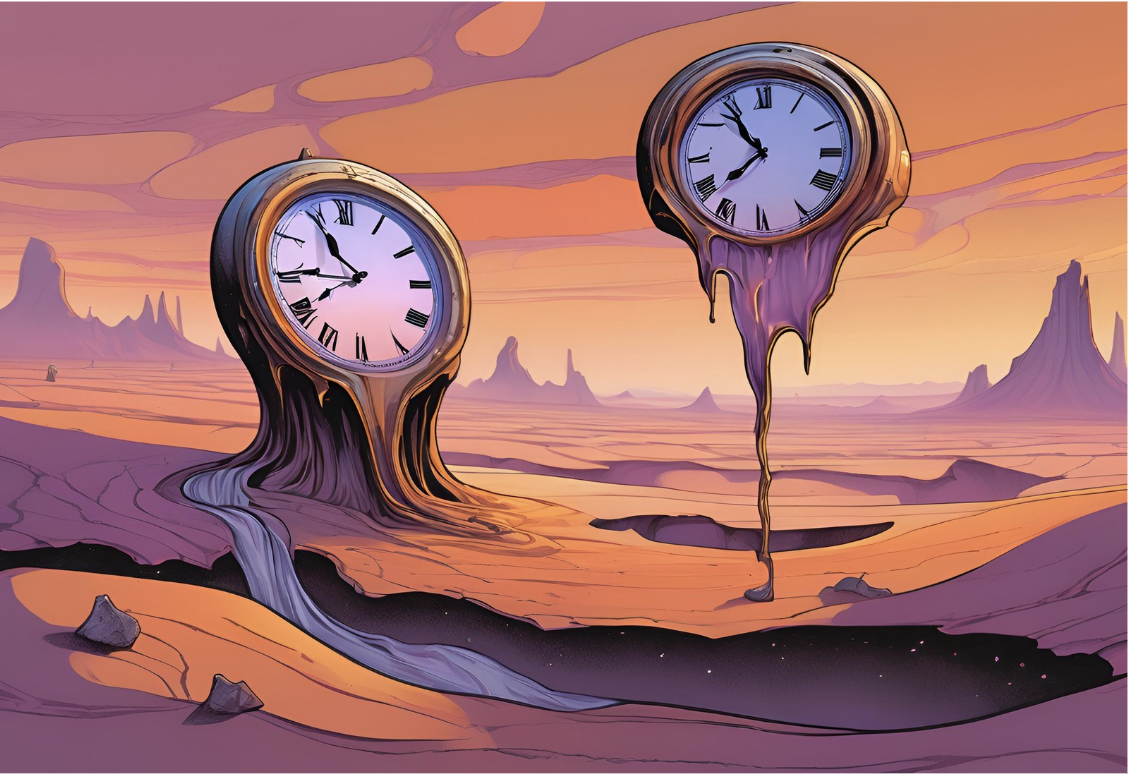
The older we get, the more time seems to slip away. Childhood summers stretched endlessly, but now entire years vanish before we’ve even registered them.
The paradox is that we’re doing more than ever—yet remembering so little of it. The weeks blur, the months collapse, and suddenly, another year is gone.
I once read that time feels shorter as we age because each year becomes a smaller fraction of our whole life. But that doesn’t quite explain it. Time doesn’t just feel faster—it feels like we’re losing control of it. Especially in this digital age, where a quick scroll on Instagram or Twitter can swallow an entire evening we’d meant to spend reading or reflecting.
Psychologist Steve Taylor has a thought experiment about twins. Imagine two siblings: one stays in his hometown, works the same job, follows the same routine. The other travels the world, meeting people, learning languages, chasing new experiences. They die at the same age.
Objectively, they lived the same number of years, but subjectively, one of them lived much longer. No points for guessing who.
Because here’s the thing. The brain doesn’t measure time in hours and minutes—it measures it in memories. And memories come from novelty.
The more new experiences we have, the more information the brain processes, the longer time feels. That’s why childhood stretched out—because everything was new. And it’s why adulthood collapses in on itself—because one day looks too much like the last.
And that’s why modern technology so often works against us. Algorithms are designed to feed us more of the same, extrapolating from our past behaviour rather than introducing something truly novel. The more we engage passively, the more time disappears without leaving a trace.
So if time is slipping away too fast, the answer isn’t doing more. It’s doing differently.
Culturally, we’ve forgotten how to fully register the passage of time
Novelty slows time down. Travel, when done with curiosity, can be transformative—but even watching a film from another culture or reading something outside your usual interests can shift perspective. Learning about a tradition you knew nothing about—these small things can crack open entire new worlds.
For instance, just this past month, I have been immersed in a series of lectures on the vachana tradition, which led me to a brilliant book on the same. Before stumbling upon these lectures, I only had the vaguest awareness of Basavanna’s name. And now, an entire new way of seeing the world has opened up to me.
But how do we encounter something we don’t even know exists?
Ironically, through the very medium designed to waste our time. Away from endless scrolling, there are beautifully curated spaces—channels, archives, communities—that introduce us to ideas we never would have sought out ourselves.
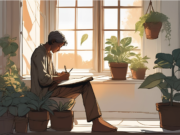
And beyond actively seeking novelty, we can find it in the life we already have—just by paying more attention. The way the air changes when the seasons shift. The quiet transformations happening in the lives of people around us. The unnoticed details of our daily rituals.

I’ve always been fascinated by stories of yogis spending entire winters alone in caves, later describing them as the most blissful time of their lives. Mindfulness isn’t something we need to import from a bestselling book. It’s embedded in our own traditions, in the ordinary lives of people we pass every day but fail to see.
So maybe the years feel shorter because they are now smaller fractions of our lives. But I feel the real issue isn’t that time is moving faster—it’s that “culturally” we’ve forgotten how to fully register it.
The world is still turning, the days are still unfolding. We’re just too distracted to notice.
The answer isn’t in cramming more into our days or trying to “manage time better”—it’s in expanding our experience of it.
In choosing what truly holds our attention, what leaves an imprint, what lingers.
In breaking the loops that make time slip away unnoticed.
In being fully present in what’s already here.