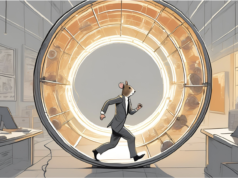



When my generation was growing up, the pressure on us was simple: get a job. Stability first, everything else later.
But working with younger people as an educator, sometimes for several months at a stretch, I’ve noticed something else—a different kind of anxiety. It’s no longer just about getting a job; it’s about finding a purpose.
The right purpose.
Something waiting for them out there, their true calling, that they had to—had to—arrive at.
It’s the same across generations now, I think. Purpose has become a mantra, defining identity in the same way a bucket list does.
And when we don’t have an answer, we feel lost. We assume something is wrong, that we’re behind, that we haven’t searched hard enough. We chase passion, hoping it will turn into purpose. We read stories about people who found their one true thing and followed it all the way to success.
But real life doesn’t work that way.
For most of us, purpose isn’t some aakashvani breaking out from the sky, announcing our life’s direction. Nor is it some hidden treasure buried deep inside us, something we must dig for, uncover, and then dedicate our lives to.
The fact is that most of us don’t have a singular, defining purpose that arrives fully formed.
And the ones who do?
They usually stumble into it—through years of trial and error, through accidental encounters, through commitment to something long before they were sure it was the thing.
Because –
Purpose doesn’t arrive as certainty—it grows through engagement.
I’ve seen theatre makers who began with nothing more than a desire to stage one play — only for the work to shape them, not the other way around.
People who built small setups in non-sexy spaces. Who started with just one client, one problem to solve, and only later realised that something deeper had begun to evolve.
At the start, there was no grand mission—just one step forward.
That’s how purpose happens. It’s not something you find; it’s something you build.

This has been true in my own life. I didn’t start writing with a grand vision of purpose. I wrote because I had to.
Same with teaching. In the beginning, it was just a gig. A way to make some money and also practice my burgeoning theatre skills. But the more I did it, the more I realised—this matters to me.
And because I had removed all fallback options, I had to put in my all into these choices I was making, no matter how vague they felt then. The purpose began to evolve only later.
But many people never get there, simply because they are afraid to commit to anything too hard. They are always asking of themselves –
- What if I invest in this career, this skill, this direction—only to realise later it wasn’t my true purpose?
- What if I choose wrong?
And because they never find the answer upfront, they never do commit fully. And so purpose eludes them.
Because you cannot think your way into purpose.
You have to live your way into it.
So instead of asking ‘What is my purpose?’, try asking:
– What am I willing to show up for, even without clarity?
– What feels meaningful enough to invest in, even if I don’t have all the answers yet?
– What am I curious about right now?
That’s all. No big pressure. No perfect answer.
Keep it simple. Take one step at a time.
Because purpose isn’t a destination: it’s a way of living. Purposefully — in whatever you do.